
If you’re lining up a Quinella for the Melbourne Cup, you’re chasing a specific outcome: your two selections finish first and second in any order. Unlike a straightforward win bet, it rewards coverage across a small field without demanding you pick the exact running order. The trick is treating it like a measured decision rather than a flutter on the names with the loudest hype.
How the Quinella Actually Works
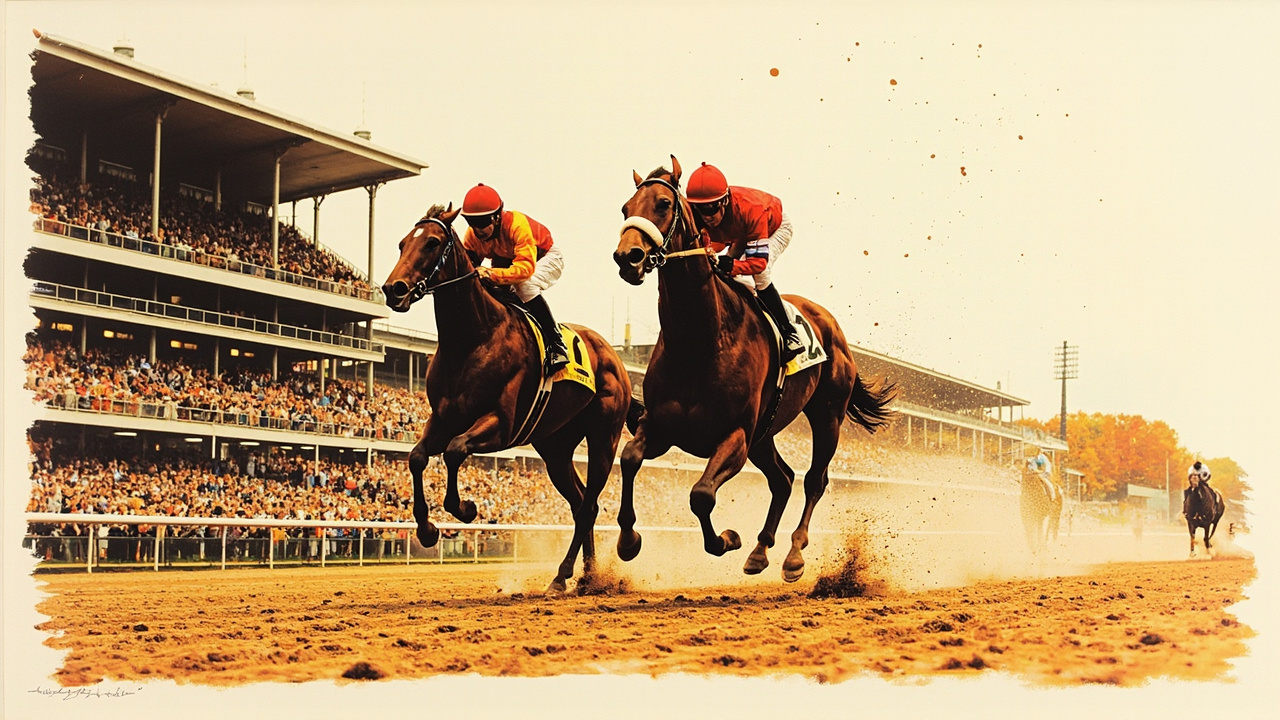
A Quinella asks you to nominate two horses and collect if they occupy the top two positions, regardless of which crosses the line first. It sits between a single winner and a full multiple, which is why it appeals when you have a couple of solid ideas but aren’t confident about the exact order. The payout is fixed once the race runs, so you’re not watching a fluctuating dividend the way you would with a flexi or a multi-race accumulator. For a race like the Cup, where the field can run wide and the pace can shift in the straight, that flexibility matters. You can back a speedster and a stayer together without needing to predict which one will lead at the home turn. That’s the core appeal: two choices, one bet, and a payout that reflects the combined probability of both horses finishing in the money.
For punters looking to extend that same flexible approach beyond the track, modern online formats offer a similar blend of straightforward rules and flexible betting structures. You can explore these digital variations at https://starlight-princess-au.com/enaus/ under the starlight princess magical reels section, where the same logic of backing multiple outcomes without rigid sequencing applies. This makes it a natural fit for anyone who prefers keeping their selections broad rather than locking themselves into a single rigid outcome.
Choosing Your Two Horses
Picking a Quinella pair is less about chasing the shortest price and more about reading the race shape. Start with the barrier draws and the likely pace setup, because a front-runner trapped wide in a slow pace can lose all the early advantage, while a horse that settles midfield might steal the run at the top of the straight. In a big-field sprint like the Cup, the horse that sets the tempo isn’t always the one that finishes first, so it’s worth separating early speed from finishing strength. If you have a clear favourite and a credible outside chance, pairing them can make sense when you want coverage without overcommitting. If both picks are long shots, the dividend can look tempting, but you’re paying for that risk in the shape of a lower strike rate over time.
Pace and Position
The way a race unfolds often decides a Quinella more than the raw form guide does. Horses that get caught three or four-wide in the straight can still win, but they usually need a clear run and a lot of ground to recover. When you’re selecting your pair, ask who is likely to dictate the early fractions and who is better suited to a sit-and-spew pattern. A horse that’s done its best work when given a tidy run is a different proposition from one that thrives on chaos. If the market is loaded with front-runners, the straight can turn into a traffic jam, and the value often shifts to a horse that can settle and strike late. That’s where a measured pair selection beats a scattergun approach.
Form and Conditions
Recent runs tell you what a horse is doing now, but they don’t tell you the whole story unless you weigh them against the conditions on the day. Track bias, ground moisture, and the expected race tempo all shift the value of a particular style. A horse that won on a similar circuit last start is useful, but only if the setup is comparable and the jockey is making the right tactical call. Weight changes, equipment tweaks, and even a new trainer can nudge a horse’s chance up or down without making headlines. In a race as big as the Cup, the headlines often overstate the hype, so it’s worth checking whether the form actually lines up with the day’s setup rather than just backing a name because it’s been mentioned all week.
Market Signals
The betting market is noisy, but it does contain signals if you read it carefully. Sharp money often shows up as a horse drifting in the morning then firming into the race, while a price that keeps lengthening can mean the crowd is doubting the runner’s chance or the pace scenario has changed. For a Quinella, you’re not just watching individual prices; you’re watching how the pairs are shaping up relative to each other. If one horse is firming and another is drifting, the combined pair can move in ways that don’t match the individual headlines. Treat the market as one input among several, not as a crystal ball, and you’ll avoid chasing a dividend that’s already priced for a story that hasn’t played out yet.
Is This Bet Right for Your Approach
A Quinella works best when you’ve got two genuine ideas and you want a single wager that covers both without needing to predict the exact running order. It’s not the right tool if you’re trying to back a single standout winner, and it’s not a shortcut for covering a big field with too many combinations. For players who like a clear decision framework, it fits neatly into a small set of selections and a defined stake. Just be clear about what you’re trying to achieve: a pair bet is a way to express two opinions in one line, not a way to turn a hunch into a guaranteed return. If you’re weighing whether a particular platform suits that kind of play, check the basics before you commit: game selection, payment options, and how support handles a query on a busy day. On a site like starlight princess magical reels, the experience is built around quick access and straightforward menus, which matters when you’re making a decision under time pressure. And if you’re comparing how different operators handle player choices, it’s worth reading a related article on how to win money on pokies for a broader view of bankroll discipline across different products.
A Quinella is a simple idea with a few moving parts, so the terms that matter most are worth keeping in mind. Barrier draw: the starting position a horse is assigned, which can shape early positioning in a big field. Pace scenario: the expected rhythm of the race early on, which influences which running styles are favoured. Fixed dividend: a payout set once the race runs, rather than a pool that fluctuates with betting activity. Pair selection: the two horses you nominate in a Quinella, where the order doesn’t matter as long as both finish in the top two. Adenecon-faculty